
Marijuana Abuse & Addiction: Withdrawal Symptoms & Treatment Options

The risks of using marijuana during pregnancy are preterm birth, low birth weight, fetal growth restriction, developmental delays, and an upraised probability of neonatal intensive care unit (NICU) admission. Exposure to marijuana in the womb also affects brain development, producing cognitive and behavioral issues later in life. These complications underscore the hazard of prenatal marijuana use on maternal and fetal health. Medical detox manages withdrawal symptoms such as anxiety, irritability, and insomnia, especially in severe cases of addiction.
How Does Marijuana Use Affect The Brain?
- With the rising prevalence of fentanyl-laced substances, cases of DAH will increase.
- Behavioral abnormalities arise from disrupted endocannabinoid signaling, leading to changes in social behavior and emotional regulation.
- Our mission is to help everyone find the best path to recovery through the most comprehensive, helpful network of treatment providers worldwide.
- Individuals may spend excessive time obtaining, using, or recovering from marijuana, often at the expense of other activities or obligations.
- These trends in cannabis and alcohol consumption in the United States over the past 40 years were examined in the National Survey on Drug Use and Health, published in the journal Addiction.
The supportive community and structured living conditions foster accountability, resilience, and the development of healthy coping mechanisms and life skills essential for long-term sobriety. Inpatient treatment for addiction can include a combination of cognitive behavioral therapy, motivational enhancement therapy and contingency management approaches. Contingency management has also shown promising results as a treatment for marijuana addiction, according to the National Institute on Drug Abuse. It can be incorporated into a treatment plan that includes other types of therapy.
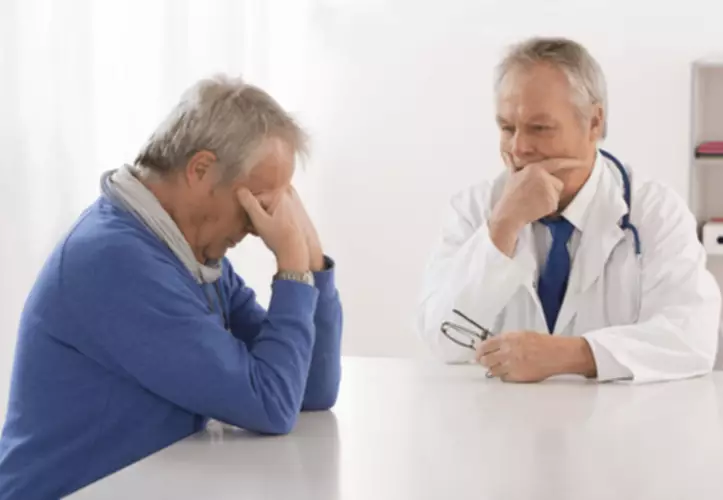
Immediate Effects
The best treatment approaches for marijuana addiction are evidence-based methods such as medical detox, cognitive behavioral therapy, motivational enhancement therapy, medication, family therapy, and support groups. These approaches address withdrawal symptoms, behavioral patterns, and social support to promote lasting recovery. According to research from the CDC, 3 out of 4 people (75%) recover from addiction, but recovery varies widely from person to person. No, marijuana withdrawal is not usually life-threatening, but it is challenging and requires professional support.
Physical and Psychological Dependence
Individuals struggling with marijuana addiction can access support through counseling and recovery programs. Catholic Charities of Shiawassee and Genesee Counties delivers comprehensive counseling programs for children, adolescents, individuals, and families. Their services help individuals struggling with marijuana and other substance use, with various insurance options available. Great Lakes Recovery Centers Inc, New Hope House for Men, is a residential program for men aged 18 and older. It provides residential services, withdrawal management, and a supportive community environment.

Trust Factors
This support network can be made up of family and friends, fellow patients you meet in treatment, people you interact with at 12-step meetings, and even online support groups and forums. Every person will have different outcomes from their treatment and recovery efforts will differ from one patient to the next, depending on their individual needs and preferences. Marijuana addiction, though not as deadly or dire as some other addictions, is still challenging to overcome, taking time, effort and patience. The road to recovery from marijuana addiction will likely have many ups and downs. Many people who try to quit smoking pot for Drug rehabilitation the first time will fail and may have to try again, possibly a few times, before they find a recovery method and treatment program that works for them.
- According to the National Institute on Drug Abuse (NIDA), about 30% of marijuana users develop some degree of marijuana use disorder.
- Our multidisciplinary team of addiction specialists, therapists, and healthcare professionals work collaboratively to ensure that each aspect of the individual’s addiction and underlying causes are addressed.
Since sleep difficulty is a common symptom of marijuana withdrawal, research has been conducted on the effectiveness of sleep medications in treating cannabis addiction. A study published in the National Library of Medicine notes that for those with severe intoxication or withdrawal symptoms due to cannabis use disorder, the objective is marijuana addictive should be to abstain from using the drug altogether. With these strategies, individuals can learn about the risks and effects of marijuana use, build upon their coping skills to resist cravings, and develop new ways of managing stress.
People often take marijuana for its immediate effects; to relax, fall asleep, or center their focus. Different strains of marijuana give different highs1, known as head or body highs. A head high is more conducive to focus while body highs offer a pronounced sense of relaxation. Marijuana has the potential for addiction and bodily harm, and with it becoming legal in some states, now poses an even greater risk. We list any treatment center that meets our rehab criteria, giving you the best list of options possible when looking for treatment. We do not receive any commission or fee that is dependent upon which treatment provider a caller chooses.
- There are several potentially harmful short-term and long-term effects of marijuana use.
- Real Recovery is Florida’s best rated and largestsober living community committed to you and yourloved one’s success in achieving long-term sobriety.
- Only limited medical use is allowed under specific circumstances, such as the use of cannabidiol (CBD) oil with less than 0.9% THC to treat severe epilepsy, as outlined in South Carolina’s Compassionate Care Act.
- Strained relationships often result from the individual’s focus on marijuana over their loved ones.
Marijuana abuse signs include:
- This process ensures that patients are stabilized and prepared for the next stages of treatment.
- Catholic Human Services Inc., Alcohol and Drug Services Rogers City, delivers outpatient counseling for substance use.
- Adults in high-stress occupations or those experiencing chronic mental health challenges, for example, turn to marijuana for relief, increasing their risk of addiction.
- The symptoms of marijuana withdrawal include anxiety, insomnia, irritability, and other physical and psychological effects that occur when a person stops using cannabis after prolonged use.
Michigan treatment facilities provide structured marijuana detox, counseling, and medical supervision to support your journey. Whether you need short-term detox or long-term rehab, accredited centers can help. Don’t wait to seek help—if you need immediate assistance, a rehab specialist is available anytime to support your path to recovery. Cognitive symptoms include impaired memory, difficulty concentrating, distorted perceptions, and reduced problem-solving abilities. Physical symptoms present as red, bloodshot eyes, increased heart rate, persistent cough, and changes in appetite, highlighting the drug’s impact on the body.

Those who started using it before age 18 are 4 to 7 times more likely to than people who started later. However, several states have legalized marijuana for medical or recreational use. According to a report by the Drug Enforcement Administration (DEA) titled “Drugs of Abuse,” marijuana remains federally prohibited, although state-level policies vary widely.